The state of AI in 2026: from chatbot to digital colleague
AI is shifting from isolated answers to long-running workflows, multimodal creation, and independent tool use. What does that mean for digital products?
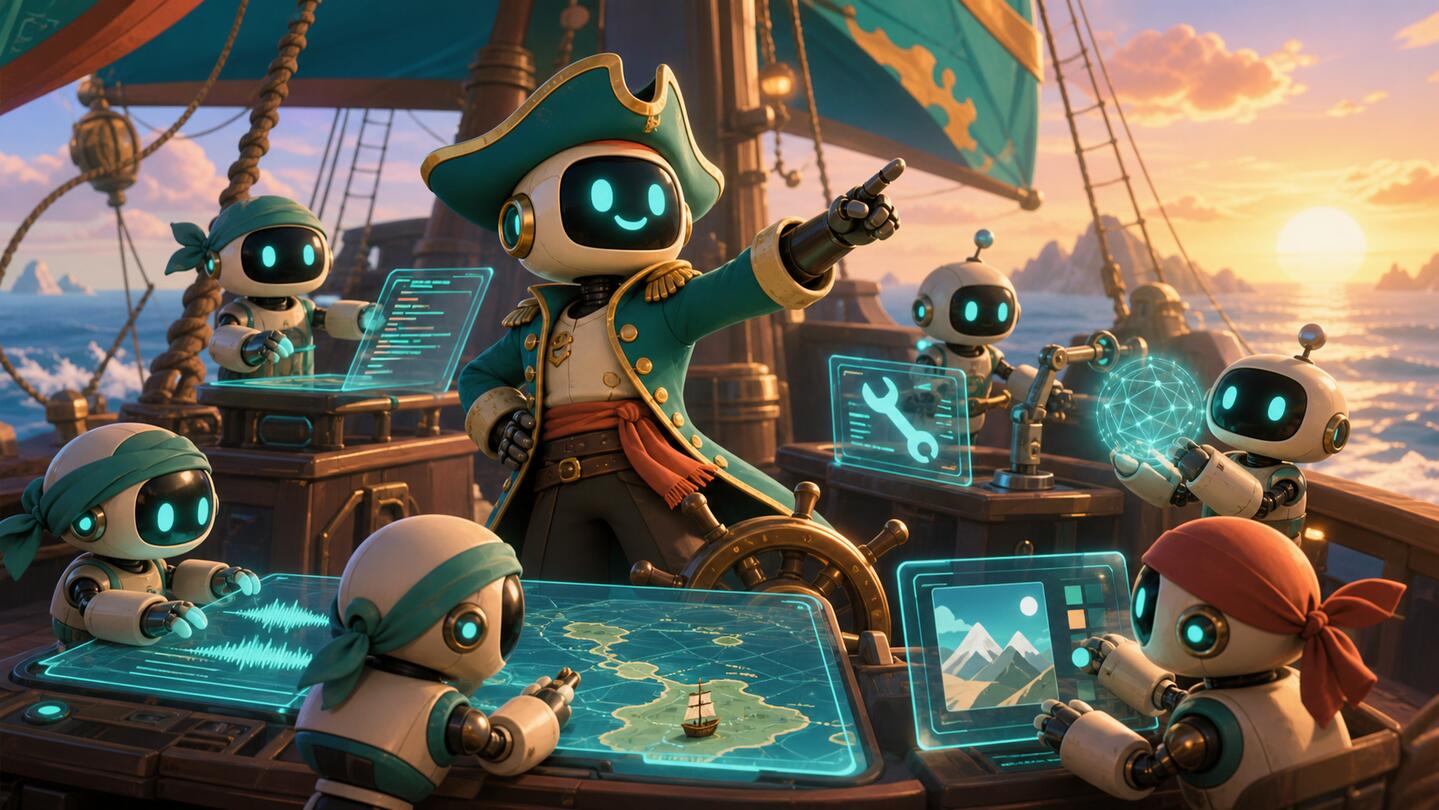
The most important AI development of 2026 is not that models have simply become “smarter”. They can work toward a goal for longer, use tools, verify results, and combine information from text, images, audio, and video.
From prompt to workflow
New models such as Claude Fable 5 and GPT‑5.6 are explicitly designed for complex, multi-step tasks. AI is therefore moving beyond the chat window and becoming a layer inside products: a system that researches, writes code, processes documents, or guides a workflow.
Multimodal becomes normal
Creative models are moving quickly too. Seedance 2.0 combines text, images, audio, and video in one generation and editing workflow. This makes AI useful for prototyping, campaigns, interfaces, and content production, while human art direction remains essential.
The role of senior direction
More autonomy does not mean less responsibility. Good AI-assisted products require clear scope, reliable data, security, evaluation, and design decisions grounded in real user needs. AI accelerates the work; experienced people set the course and guard quality.
Sources: Anthropic, OpenAI, and ByteDance Seed.
All hands on deck?
Tell us what you're building. We'll tell you what we can ship by Friday.